Storytelling For Musicians Who Hate Marketing
Download the PDF version of this guide here.
The 7 Story Templates That Grow Your Audience
Most musicians struggle to grow their audience because they focus on announcements instead of emotions.
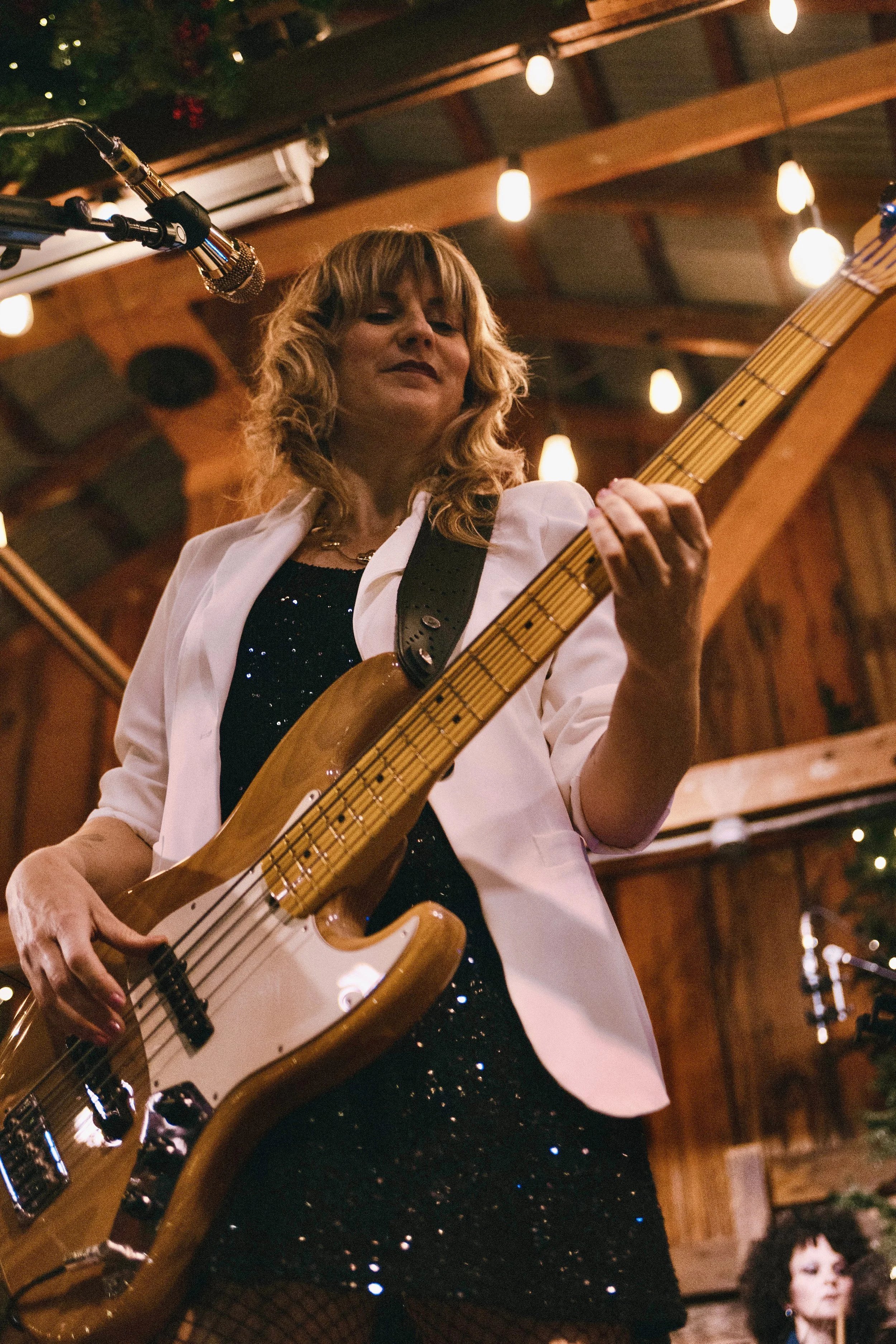
People don’t become fans because of links or release dates—they connect through feelings, experiences, and shared moments.
That’s where storytelling comes in.
A well-told story makes your audience feel something—whether it’s inspiration, trust, or the sense that you understand what they’re going through.
And when people feel connected to you, they’re far more likely to engage, follow, stream, come to shows, and support your work.
But if you’ve ever stared at your caption box thinking:
I don’t have a good story.
I have no idea how to make this interesting.
I don’t want to sound cringey or overly personal.
…you’re not alone.
That’s why I created this guide.
I’ve broken down seven simple, proven story archetypes into reliable templates that help you share your journey, build connection, and turn engagement into real support.
Whether you’re new to storytelling or just unsure how to use it to grow your audience, these templates will help you craft posts that feel authentic, strategic, and easy to write (without oversharing or feeling like you’re forcing it).
These seven types of stories work because they tap into emotions that drive connection and action.
You don’t need to use all of them—just find the ones that fit your experience and your journey as an independent artist.
The Underdog Story – When you prove people wrong by overcoming obstacles.
The Transformation Story – A before-and-after moment that shows growth in your music or career.
The Mentor Story – Hard-earned wisdom or advice that changed everything.
The Failure & Redemption Story – Lessons from mistakes that helped you improve.
The Fan Hero Story – A listener’s journey from discovering your music to becoming a true supporter.
The Why Story – Your mission, values, or the reason you make music.
The Future Vision Story – Painting a picture of what’s possible for you and the community you’re building.
For each story archetype, I’ll show you what it is, why it works, how to use it, and an example you can personalize with your own experiences as an independent musician.
One: The Underdog Story (Overcoming the Odds)
What it is: “I started with zero connections, no industry support, and a ton of self-doubt. Here’s how I turned that into a growing audience and a real music career.”
Why It Works: Inspires your audience by showing resilience and persistence. It builds emotional connection, makes you relatable, and reminds listeners that growth doesn’t happen overnight.
How to Use It: Share a struggle you faced in your music journey and how you overcame it. Tie it back to something your audience may be experiencing in their own lives.
Reflection Questions:
When have you faced an obstacle that made building your music career feel unlikely?
What challenges did you overcome to get where you are now?
Was there a time when people doubted your music, but you kept going anyway?
How might your audience relate to this part of your journey?
Example:
We didn’t think a big-time US producer would return our emails, let alone invite us to record in Nashville.
It turned out that was the easy part.
The hard part was raising the money to get there.
We were two musicians from New Zealand with a big dream and no major label backing us. Recording in Nashville felt huge — almost unrealistic — and we knew if it was going to happen, we’d have to make it happen ourselves.
So we launched a crowdfunding campaign.
Not quietly. Not apologetically.
We leaned into the story.
We weren’t just asking for money. We were inviting people into the experience
Postcards sent from downtown Nashville.
Behind-the-scenes updates from the studio.
Photos of late nights, coffee cups, and mixing boards.
We shared what it actually felt like to chase something that big.
And our audience responded.
It became one of the most successful crowdfunding campaigns New Zealand had ever seen — not because we had a marketing team, but because people felt like they were part of something bold and unlikely.
We weren’t just two musicians asking for support.
We were two kids from New Zealand taking on Music City — and our audience loved being part of that triumph.
TWO: The Transformation Story (Before & After)
What it is: “A year ago, I was writing songs I didn’t even like. Now, I finally feel like I’ve found my sound. Here’s what changed.”
Why It Works: Shows growth and evolution in your craft. It reminds your audience that progress is possible — not just in career milestones, but in confidence, creativity, and identity as an artist.
How to Use It: Share a clear “before” and “after” moment in your music journey—whether it’s songwriting, recording, performing, or your mindset. Focus on what shifted internally, not just externally.
Reflection Questions:
When did you realize your music had changed or improved?
Was there a moment where something clicked creatively?
What were you struggling with before — stage fright, comparison, self-doubt, perfectionism?
What shifted that helped you grow?
What might another musician take from that shift?
Example:
There was a time when I thought being a “real” musician meant never slowing down.
I moved fast. I said yes to everything. I measured progress in gigs booked, miles traveled, and how exhausted I was at the end of a tour.
If my calendar was full, I felt valuable.
If it wasn’t, I panicked.
I pushed through burnout because I thought that’s what serious artists did. I told myself I’d rest later.
Then, a few years ago, something shifted.
It wasn’t dramatic. There wasn’t a big announcement or a viral moment. My body just stopped cooperating. The anxiety got louder. The joy got quieter.
For the first time in my career, I had to admit that constantly chasing wasn’t sustainable.
So I slowed down.
I stopped measuring my worth by output. I started choosing projects that aligned instead of just impressed.
I still tour. I still work hard. But now I’m building a career
I can imagine having for decades — not just surviving for a few intense years.
THREE: The Mentor Story (Sharing Hard-Earned Wisdom)
What it is: “I used to believe [common misconception about music or success]. Then, someone I respected told me something that changed everything…”
Why It Works: Shows growth through humility. When you share wisdom that reshaped your own thinking, it helps other musicians skip unnecessary frustration and feel less alone in their doubts.
How to Use It: Share advice you’ve received, lessons you learned the hard way, or industry truths that challenged how you used to think about music, success, or identity as an artist.
Reflection Questions:
What’s the best piece of advice you’ve ever received about music or your career?
What’s something you wish you’d understood earlier as an independent artist?
Have you ever had a belief about success, touring, or songwriting that later shifted?
What common misconceptions about being a musician have you personally outgrown?
Example:
In my early twenties, I had a plan: finish my master’s degree, move to New York, and throw myself into the jazz scene.
Every step I’d taken had led me toward that vision.
But then I fell in love—with someone who wasn’t in New York. He was in London.
Suddenly, the path ahead wasn’t so clear. New York meant ambition, career, and everything I thought I wanted. London meant love, connection, and a life I hadn’t considered before.
On a trip to New York, I asked a mentor for advice. I expected her to tell me to stay the course, to be practical. Instead, she said,
“Follow your heart, because without love, what’s the point?”
That one sentence changed everything. I moved to London.
The relationship didn’t last forever, but it shaped my life in ways I couldn’t have predicted. It led me to Nashville, influenced my music, and taught me that following your heart doesn’t mean abandoning ambition.
Choosing love over ambition doesn’t make you less serious; it makes you human.
When you honor what feels authentic—love, connection, or a totally unexpected opportunity—you create space for growth, joy, and inspiration in ways no rigid plan ever could.
FOUR: The Failure & Redemption Story (Lessons from Mistakes)
What it is: “I made a huge mistake on an early tour. The shows were half-empty, I was exhausted, and I almost quit. Here’s what I learned.”
Why It Works: Builds trust through vulnerability and shows that failure is part of the creative journey, making your growth feel real and earned.
How to Use It: Share a time you messed up—on stage, in the studio, on tour, or in your creative process—what you learned, and how it changed the way you approach your music now.
Reflection Questions:
What’s a big mistake or setback you experienced in your music career?
How did you recover from it, and what did it teach you?
Was there a moment you considered giving up?
What do you wish someone had told you before that experience?
How might another independent artist relate to this lesson?
Example:
The first full tour I organized on my own was a complete flop.
I spent months booking venues, reaching out to contacts, organizing travel, rehearsing the set — the whole thing. I poured everything I had into it, convinced that if I just worked hard enough, the rooms would fill.
But when the shows came, the excitement wasn’t there. Some nights were half-empty. A few were painfully quiet. The momentum I thought I’d built just didn’t translate.
The hard truth was that I had built the tour around what I wanted to prove — not around what was actually connecting.
I don’t even want to calculate what my hourly rate worked out to be. By the end of it, I was exhausted, discouraged, and questioning whether I’d misread everything.
But that failure taught me something that completely changed how I approach my music career.
Don’t chase milestones just because they look impressive.
Pay attention to what’s genuinely resonating.
Start smaller. Test songs.
Play rooms where you can actually see people’s faces.
Notice what lands before scaling something up.
The tour may not have gone the way I imagined, but the lesson I walked away with shaped every show after that.
FIVE: The Fan Hero Story (Turning Struggles into Connection)
What it is: “When someone first found my music, they were going through a hard season. Months later, they told me how one song helped them through it. Here’s what that meant.”
Why It Works: Shows the real impact of your music without bragging. It demonstrates connection through someone else’s experience, making your work feel human and meaningful.
How to Use It: Tell a listener’s story (with permission or in a generalized way), focusing on their experience, what they connected with, and how your music became part of their journey.
Reflection Questions:
Has a listener ever shared how your music impacted them?
Was there a moment after a show or in a message that stayed with you?
What did they connect with in your song or performance?
How can you tell that story in a way that reflects both their experience and your own (be careful not to share sensitive details without their permission)?
Example:
I met Cat after a gig one night.
She waited until the line had thinned out, then told me she’d driven three hours to be there.
Growing up queer in a small town, she hadn’t heard many artists talk openly about identity in a way that felt honest and familiar.
She said one of my songs had felt like it was written for her.
For years, she’d felt like she had to downplay parts of herself to stay safe. Hearing someone stand on stage and sing about those same experiences — without apology — made her feel less alone.
I’d spent so much time wondering if sharing those details about my own life was too much.
Too specific. Too risky.
But standing there in that venue lobby, listening to Cat tell me what the music had meant to her, I realized something.
The parts of ourselves we’re tempted to soften are often the parts that connect the deepest.
Cat didn’t connect to something “universal.”
She connected to something honest.
And that moment reminded me why I make music the way I do.
SIX: The Why Story (Mission & Values-Driven Content)
What it is: “I started making music this way because I was tired of seeing [problem]. Here’s why it matters to me.”
Why It Works: Connects emotionally with your audience by sharing the deeper motivation behind your music. When people understand why you create, they connect to more than just the songs.
How to Use It: Talk about what drives you—whether it’s a personal experience, something in the industry that frustrates you, or a belief about music and creativity that you care deeply about.
Reflection Questions:
What inspired you to pursue music in the first place?
What personal experiences shaped the kind of artist you are today?
Was there a moment when you realized your music had a deeper purpose?
What do you hope people feel, question, or understand after hearing your songs?
Example:
One night, driving home from a gig, I tuned into a local radio show for young musicians.
The guest was giving career advice, insisting that success required absolute devotion — 24/7, no distractions. According to him, anything outside of music was a liability. Relationships, family, hobbies, even houseplants.
Every moment spent on something else was an opportunity for a competitor to outwork you and take what should have been yours.
I couldn’t believe what I was hearing.
That kind of thinking doesn’t lead to success — it leads to burnout, resentment, and a joyless career.
His entire approach was about building a career, not about becoming a better musician. It reminded me of people who say they want to be famous without thinking about what they actually want to be known for.
The pursuit of success without nurturing your craft, your creativity, and your life outside of it leads to empty achievements at best and disappointment at worst.
Music thrives when you have a full life.
When you make room for relationships, hobbies, rest, and joy, you’re not detracting from your art — you’re feeding it.
That night clarified something for me.
I don’t want a career that costs me my life.
I want to make music that comes from a life that’s actually being lived.
SEVEN: The Future Vision Story (Painting the Possibilities)
What it is: “My big dreams for the future aren’t of awards and acclaim. They’re for a career that sustains my life for decades. For a career that is integrated into my whole life, not existing in spite of it”
Why It Works: Shows your audience where you’re headed. When you share a grounded vision for your future, people understand what you stand for — and whether they want to follow that path with you.
How to Use It: Describe the kind of artist you’re becoming and the kind of life you want your music to support. Paint a picture of your future in concrete, human details.
Reflection Questions:
What does a sustainable music career look like to you?
What kind of artist do you want to be five or ten years from now?
What do you want your creative life to feel like — not just look like?
What are you moving toward, even if you’re not fully there yet?
Example:
I don’t want to be the artist who burns out at 45 and calls it a good run.
I don’t want to look back at decades of touring and realize I was too busy chasing the next thing to feel any of it.
I want to be on stage at 65, steady and grounded, playing songs that have aged with me.
I want to tour in a way that still leaves room for a life — for family vacations, for quiet mornings, for loving someone well.
I want to write music that feels less performative and more honest. Songs that don’t try to impress, but try to tell the truth.
I don’t need the biggest rooms.
I want the right ones.
Rooms where the chorus comes back louder than the band because the people singing it have lived it too.
I want a career that integrates with my life, not one that replaces it.
Not constant urgency.
Not proving.
Not surviving.
Just steady growth. Deep connection.
Work I’m still proud of decades from now.
That’s the future I’m walking toward.
Balancing Vulnerability with Privacy
In the age of oversharing, vulnerability has become a buzzword.
For musicians building an audience, sharing personal stories can deepen connection and make your music feel more human.
But where’s the line between being open and feeling exposed?
For artists who live part of their lives in public — on stage, online, in interviews — this balance can be especially tricky.
Vulnerability is powerful. It makes you relatable, honest, and real. But sharing too much, or too soon, can feel less like connection and more like emotional exposure.
It’s easy to fall into the trap of oversharing, especially when the pressure to “be authentic” starts to feel like a performance in itself.
But writing from your life doesn’t mean handing over your whole life.
The work is learning where your line is — and protecting it fiercely.
How to share without the vulnerability hangover
Lead with the Feeling
Start by identifying the emotion behind the experience. Were you excited? Nervous before a show? Frustrated in the studio? Proud of a lyric you finally got right? Share the feeling and let it shape the story.
Skip the Specifics
You don’t need to explain every detail. Instead of unpacking every conversation or decision, focus on the bigger picture and how it felt in the moment. Your audience connects to emotion, not logistics.
Share What It Meant
Ask yourself: Why does this matter to me? Whether it’s relief, growth, clarity, or resilience, frame your story around what the experience changed or revealed — not just what happened.
Respect Your Boundaries
Before you post, check in with yourself. Does this feel steady to share? Or does it feel raw? If it’s still tender, give it time. You can express the emotion without revealing everything.
Let the Story Stand on Its Own
You don’t need to tie every story up with a lesson or a takeaway. Sometimes it’s enough to say, “This happened, and this is how it felt.” The right people will understand.
You don’t have to reveal your deepest secrets or broadcast every detail to connect through your music.
What matters most is sharing the emotional journey — giving people a glimpse into what it feels like to live the songs you’re writing and the life behind them.
Over time, that kind of honesty creates a sense of familiarity. People feel connected to your work because they recognize something of themselves in it — all without you having to share more than you’re comfortable with.
So next time you hesitate to post because it feels “too personal,” ask yourself: What feeling can I share here?
Start there, and let the rest unfold naturally.